The Evolution of Punk Culture: Fashion
- Precious Walk
- Mar 12
- 3 min read

Updated: Mar 28
Dressing Like You Fought the System… and Won the Fight Barely


Punk fashion wasn’t designed to be flattering. It was designed to be offensive, improvised, and a giant visual “f* you”** to anyone who tried to tell you how to live.

Let’s rip this open like a perfectly good T-shirt punks ruined on purpose.

Before the Spikes: The Roots of Punk Fashion
Like everything else in punk, the fashion wasn’t born in a boardroom. It wasn’t crafted by a stylist. It wasn’t pre-washed and sold for $119.99 at a mall.
It started with:
Broke kids using whatever they had
Biker culture
Fetish gear
DIY rebellion
Anti-fashion ideals
You didn’t NEED money to look punk. In fact, the less money you had, the more “authentic” you looked. Punk fashion was literally anti-consumerist cosplay.
Enter the Punk Queen: Vivienne Westwood
When talking punk fashion, the crown rests on one messy, fiery head:
Vivienne Westwood

In the mid-70s, Westwood and Malcolm McLaren (who later helped manage the Sex Pistols) ran a shop in London called SEX—yes, that was the store name; subtlety was never a punk value.
This shop blew fashion norms to hell by selling:
Latex
Leather
Bondage pants
Slashed shirts
Graphic tees with explicit or political imagery
Westwood basically said:
“Here, dress like society’s nightmare.”
And punks said:
“Hell yeah.”
The Essentials of Punk Style (AKA How to Look Like You’re Late to a Riot)
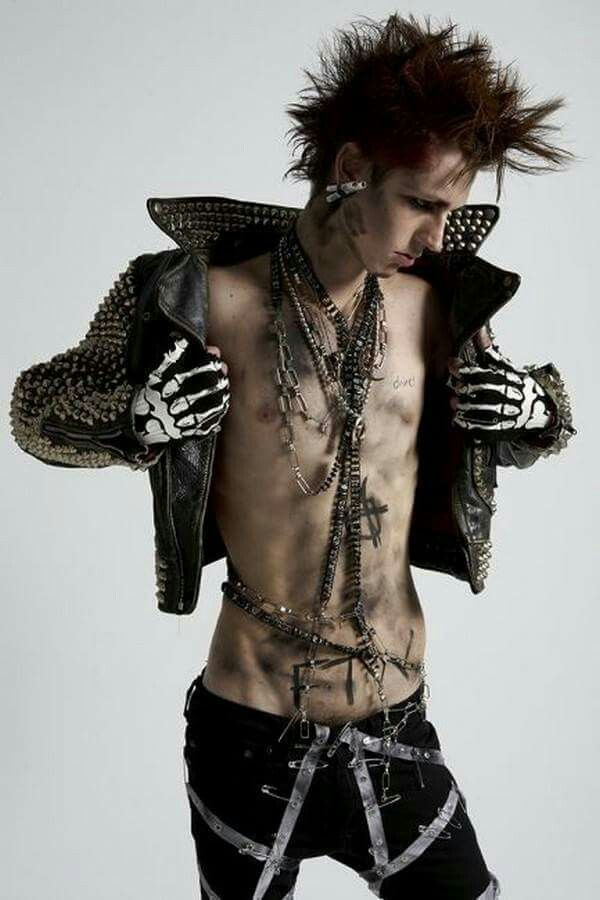
1. Leather Jackets
A punk’s second skin. Worn until the leather cracked like overcooked bacon.
Usually decorated with:
Spikes
Studs
Band logos
Marker scribbles
Sometimes beer stains (part of the vibe)

2. Ripped Everything
If it didn’t have holes, punks MADE holes.
Perfect garments were considered suspicious.
Rips were:
Purposeful
Aggressive
Often held together with safety pins, the holy relic of punk

3. Safety Pins
Punk turned a basic sewing tool into a cultural weapon. Used to:
Hold clothes together
Pierce ears, noses, faces
Decorate jackets
Replace jewelry
Terrify elderly onlookers

4. DIY Graphics
Punks loved painting on jackets and shirts like angry preschoolers with adult problems.
Typical imagery:
Anti-establishment slogans
Anarchy signs
Band names
Sarcastic political commentary
The occasional crudely drawn middle finger

5. Plaid and Tartan
Borrowed from traditional British styles but worn in ways that screamed, “Your grandma would hate this.”

6. Hair That Looks Like a Rebellion in Progress
Mohawks, liberty spikes, bleached patches, Kool-Aid dye jobs, shaved symbols, anything that made parents sigh deeply.
Hair became a vertical protest.

DIY or Die: The Punk Craft Movement
Punk fashion wasn’t about buying—it was about MAKING. Sewing machines, thrift stores, dumpsters, and stolen patches were the real designers of punk.
People customized EVERYTHING:
Pants were shredded
Shirts were repurposed
Boots were painted
Jackets became personal manifestos
Punk invented “upcycling” way before eco-conscious influencers posted about it on TikTok.
Substyles Within Punk Fashion
Hardcore Punk (1980s U.S.)
Function over flair. Think:
Cut-off shorts
Scuffed sneakers
No-nonsense black T-shirts
Buzz cuts
This was for kids ready to mosh so hard they saw God.
Goth & Post-Punk
More dramatic. More black. More eyeliner than a raccoon mourning its marriage.
Anarcho-Punk
Political patches. Vegan boots. Lots of handwritten messaging like
“THIS SYSTEM SUCKS” — because subtlety is boring.
Punk Fashion: From Streets to Runways
The greatest irony?
The style built to reject consumerism eventually got stolen by the fashion industry.
High-end designers, pop stars, and major retailers began copying punk aesthetics. Suddenly:
Expensive jeans came pre-ripped
Studded jackets were luxury items
Runways were full of “rebellious chic” clothes that cost more than rent
Punks didn’t like this.
But the world can’t resist stealing cool stuff from angry teenagers.


