Movies and Television
- Past Tense
- Jun 5, 2025
- 2 min read
Updated: Sep 11, 2025
The story of television begins in the early 20th century, when inventors around the world were racing to turn moving pictures aka silent films and transmitted sound into one magical box. By the late 1920s and early 1930s, experimental broadcasts began popping up, and by the end of World War II, television sets were starting to appear in American living rooms. Early programming was limited—mostly news, test patterns, and live performances—but it was enough to spark a new era of home entertainment. It didn’t take long for the world to become completely hooked.
The 1950s are often called the "Golden Age of Television." As more households got TVs, networks scrambled to fill the airwaves with variety shows, sitcoms, and televised theater. Shows like I Love Lucy, The Ed Sullivan Show, and Leave It to Beaver became household staples, blending humor, music, and family drama in ways that reflected and shaped American values. It was a time when everyone tuned in to the same shows at the same time—because there really weren’t many other options. This shared experience helped create a powerful cultural influence that still echoes today.

As technology improved, so did content. The arrival of color TV in the 1960s, cable in the 1980s, and digital broadcasting in the 2000s changed not just how we watched, but what we watched. Cable gave rise to specialized channels like MTV, ESPN, and HBO, allowing audiences to dive deep into music, sports, or premium storytelling. Reality TV exploded in the '90s and 2000s, bringing both guilty pleasures and unexpected cultural commentary. Meanwhile, sitcoms, dramas, and televised news continued to evolve with the times, pushing boundaries and reflecting society’s changing values and interests.
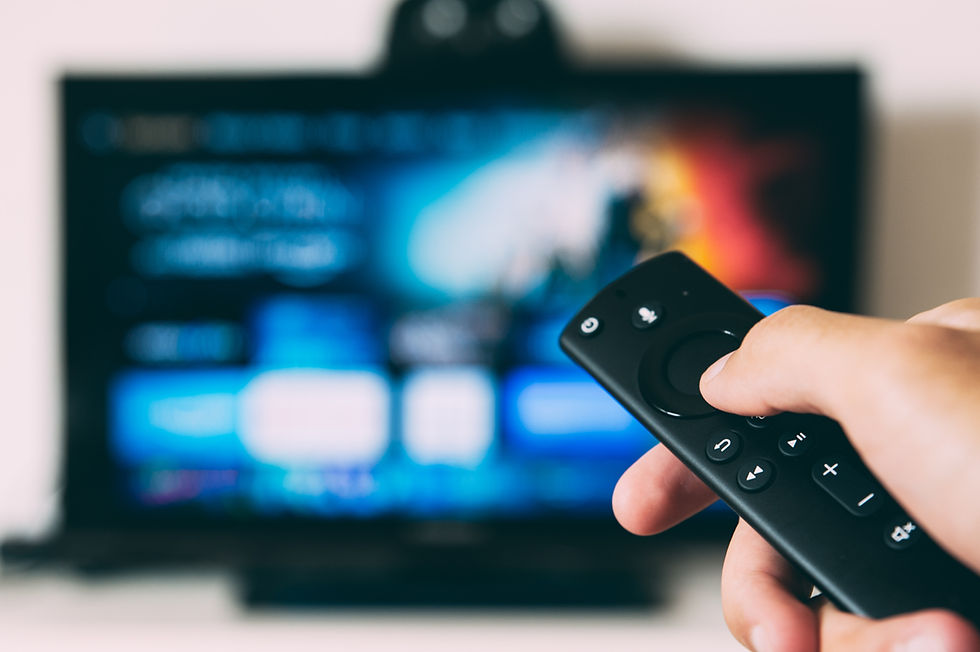
Today, television isn’t confined to a box in the living room—it lives on our phones, laptops, and tablets. Streaming platforms like Netflix, Hulu, and Disney+ have flipped the script, letting viewers binge entire seasons in a weekend. The power of television has expanded beyond scheduled programming to become an on-demand universe of entertainment. From black-and-white broadcasts to cinematic storytelling in 4K, television has continually adapted and redefined itself—proving it's not just a medium, but a mirror of our culture and a constant in our daily lives.
Music, dance, and television may have started on separate paths, but over time they’ve become a powerhouse trio in shaping entertainment and culture. Music lays the foundation with rhythm and emotion, dance brings it to life through movement, and television broadcasts it all to the masses—turning local styles into global phenomena. From televised dance competitions and viral music videos to iconic performances that live on in pop culture memory, these three art forms feed off each other in a never-ending cycle of creativity and influence. Together, they’ve not only entertained us, but they’ve also shaped how we see ourselves, how we express joy, and how we connect across generations and cultures—one beat, one step, and one screen at a time.

